
Sickly in appearance describes someone who looks weak, pale, unhealthy, or physically drained. People may use this phrase to describe a person whose facial color seems faded, whose body appears frail, or whose overall look suggests poor health. The phrase appears in casual conversations, literature, medical discussions, and online searches where people want to understand why someone looks unwell.
The term can sound harsh because appearance does not always reveal a person’s actual health condition. Someone may look tired due to stress, lack of sleep, or temporary illness without facing a serious medical issue. In other cases, visible changes may point toward a deeper health concern that needs attention.
This guide explains the meaning of sickly in appearance, possible causes, visible signs, emotional effects, and better ways to describe someone respectfully.
What Does Sickly in Appearance Mean?
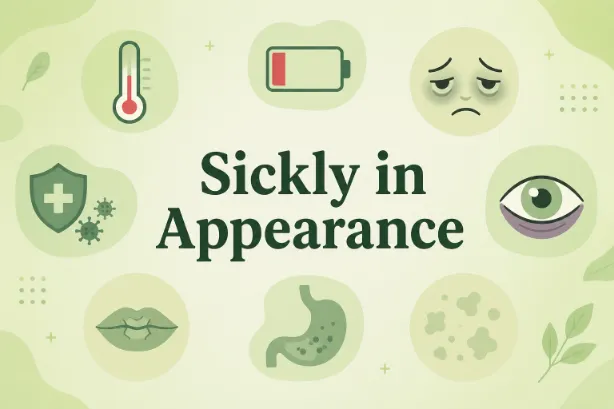
The phrase usually refers to a person whose physical appearance suggests illness or weakness. It may describe someone who looks:
- Pale
- Thin or underweight
- Weak
- Exhausted
- Fragile
- Tired
- Malnourished
- Unwell
For example:
- “He looked sickly in appearance after recovering from the flu.”
- “The plant had yellow leaves and looked sickly in appearance.”
- “She appeared pale and weak after skipping meals.”
The phrase does not always refer to humans. Writers may also use it for animals, plants, or even objects that seem unhealthy or damaged.
Origin of the Phrase
The word sickly comes from Middle English and has roots connected to illness and weakness. Over time, English speakers began using it to describe someone who looked physically unhealthy rather than someone diagnosed with a disease.
In older literature, authors frequently described characters as “sickly” to create an image of fragility.
For example, classic novels sometimes described children or elderly characters as:
- Thin-faced
- Pale-skinned
- Weak-bodied
- Easily fatigued
Modern communication uses the phrase less frequently because many people prefer more respectful wording.
Physical Signs of a Sickly Appearance
Several visible signs may cause someone to appear unhealthy.
| Physical Sign | What It May Suggest |
|---|---|
| Pale skin | Iron deficiency, illness, fatigue |
| Dark circles | Lack of sleep, dehydration |
| Weight loss | Stress, poor nutrition |
| Dry skin | Dehydration or vitamin deficiency |
| Hair thinning | Hormonal imbalance |
| Weak posture | Exhaustion or illness |
| Sunken eyes | Sleep deprivation |
| Low energy expressions | Emotional distress |
These signs do not always point toward serious illness. Temporary lifestyle habits can create the same appearance.
Medical Reasons Someone May Look Sickly
Physical appearance sometimes changes because of medical conditions.
Anemia
Low iron levels may cause:
- Pale skin
- Weakness
- Dizziness
- Fatigue
Thyroid Problems
An underactive thyroid may lead to:
- Puffy face
- Dry skin
- Hair thinning
- Tired appearance
Chronic Illness
Conditions such as diabetes, kidney disease, or autoimmune disorders may change body appearance over time.
Nutritional Deficiencies
Lack of nutrients can create visible symptoms such as:
- Hair loss
- Weak nails
- Pale complexion
- Weight changes
Viral Infections
Flu, COVID-19, fever, and seasonal infections may temporarily make someone look weak.
Lifestyle Habits That Create a Sickly Appearance
Health issues are not always the reason. Daily habits can affect physical appearance quickly.
Poor Sleep
Lack of proper rest may cause:
- Puffy eyes
- Dark circles
- Low energy
- Dull skin
Stress
Stress affects both mental and physical health.
Common visible effects:
- Weight changes
- Hair loss
- Skin breakouts
- Tired facial expressions
Poor Diet
Eating too much junk food or skipping meals may result in:
- Low energy
- Pale skin
- Weak immunity
Dehydration
Not drinking enough water may lead to:
- Dry lips
- Dry skin
- Fatigue
Lack of Exercise
Inactive lifestyles may reduce muscle tone and energy levels.
Mental Health and Appearance
Mental health can strongly affect physical appearance.
People dealing with depression, anxiety, or emotional stress may experience:
- Sleep problems
- Poor appetite
- Weight loss
- Tired expressions
- Low motivation for self-care
A person may appear physically unwell even though emotional struggles are the real cause.
Why the Phrase Can Sound Offensive
Calling someone “sickly in appearance” may hurt feelings. It focuses on outward appearance without understanding the real reason behind someone’s health condition.
For example:
Instead of saying:
“You look sickly.”
Use:
- “You look tired today.”
- “Are you feeling okay?”
- “You seem exhausted lately.”
These alternatives sound more respectful and compassionate.
Better Words to Use Instead of Sickly
Here are softer alternatives:
| Word | Meaning |
|---|---|
| Tired | Low energy |
| Pale | Lacking facial color |
| Weak | Reduced strength |
| Exhausted | Extreme fatigue |
| Frail | Physically delicate |
| Unwell | Feeling unhealthy |
| Fatigued | Mentally or physically drained |
These words sound less judgmental.
Sickly Appearance in Literature
Writers use physical descriptions to create memorable characters.
Examples:
- Pale face
- Thin frame
- Weak voice
- Hollow eyes
- Fragile posture
Classic literature used these descriptions to show illness, poverty, or emotional pain.
Today’s writers tend to use more detailed and sensitive language.
Can Healthy People Look Sickly?
Yes.
Some naturally have:
- Fair skin
- Thin body types
- Dark under-eyes
- Delicate facial features
Their appearance may seem unhealthy even though medical reports show excellent health.
Genetics also affect:
- Skin tone
- Weight
- Bone structure
- Facial features
Appearance alone should never be used to judge someone’s health.
How to Improve a Sickly Appearance
Improving physical appearance starts with healthier habits.
Get More Sleep
Aim for 7–9 hours nightly.
Drink More Water
Hydration improves:
- Skin texture
- Energy levels
- Eye appearance
Eat Balanced Meals
Focus on:
- Fruits
- Vegetables
- Protein
- Whole grains
Exercise Regularly
Even short walks can boost circulation and energy.
Visit a Doctor
Persistent symptoms deserve professional medical attention.
Social Media and Appearance Pressure
Social media filters create unrealistic beauty standards. Many people compare themselves to edited photos and wrongly believe they look unhealthy.
Real faces have:
- Texture
- Dark circles
- Imperfections
- Natural variations
Looking human does not mean someone looks sickly.
When to See a Doctor
Medical help may be needed for symptoms such as:
- Sudden weight loss
- Constant fatigue
- Severe pale skin
- Hair loss
- Fainting
- Ongoing weakness
A healthcare professional can identify the real cause.
Does sickly in appearance always mean someone is ill?
No. Stress, lack of sleep, genetics, and temporary exhaustion may affect appearance.
Can poor diet make someone look unhealthy?
Yes. Nutrient deficiencies may affect skin, hair, and energy levels.
Is it rude to call someone sickly?
Yes, many people may find it insulting.
Can stress change facial appearance?
Yes. Stress may cause tired eyes, skin issues, and weight changes.
Can children appear sickly?
Yes. Poor nutrition, illness, or sleep issues may affect their appearance.