
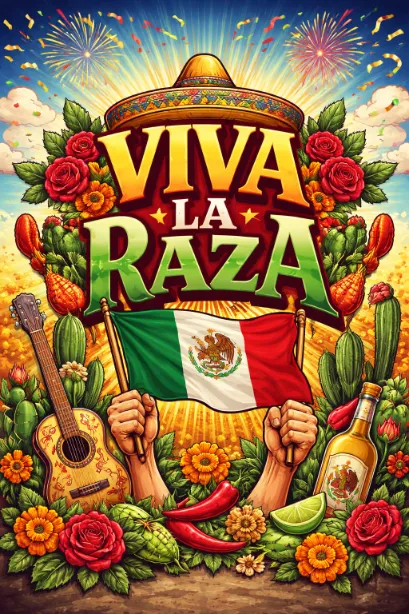
“Viva La Raza” is a powerful Spanish phrase that carries deep cultural, historical, and emotional value. Translated into English, it means “Long Live the People” or more specifically, “Long Live the Race/Community.” The word raza in this context does not strictly refer to race in a biological sense it points to shared heritage, identity, and cultural roots, especially among people of Latin American descent.
Origin of the Phrase Viva La Raza
The phrase traces back to Spanish-speaking cultures, especially in Mexico and Latin America. Historically, la raza referred to people with shared indigenous and Spanish ancestry. Over time, it evolved into a broader expression representing unity among Latinos.
During the Chicano Movement of the 1960s and 1970s, activists used “Viva La Raza” as a rallying cry. It symbolized resistance, pride, and the demand for civil rights in the United States.
At that time, it carried strong emotional weight:
- A declaration of identity
- A rejection of discrimination
- A celebration of cultural roots
Cultural Meaning in Modern Times
Today, “Viva La Raza” still carries pride and unity, though its tone depends on context. Many people use it to celebrate Latino culture, heritage, and community strength.
It expresses:
- Cultural pride
- Unity among people with shared roots
- Respect for history and traditions
In everyday settings, you might hear it during:
- Cultural festivals
- Music events
- Social gatherings
- Sports celebrations
It has moved beyond activism into a phrase of identity and celebration.
Interpretations of Viva La Raza
Below is a simple breakdown of how the phrase gets interpreted:
| Context | Meaning |
|---|---|
| Cultural Pride | Celebration of Latino identity |
| Historical Movement | Unity and resistance during civil rights era |
| Social Expression | Support for community and shared values |
| Entertainment | Catchphrase used in pop culture |
Viva La Raza in Popular Culture
The phrase gained mainstream attention through entertainment, especially professional wrestling. WWE superstar Eddie Guerrero famously used “Viva La Raza” as his entrance catchphrase.
His use of the phrase:
- Brought it to a global audience
- Connected fans to Latino culture
- Turned it into a symbol of charisma and pride
Even years later, fans still associate the phrase with his legacy.
Why the Phrase Matters Today
“Viva La Raza” still resonates because identity and cultural pride remain strong themes in modern society. People across the world use it to express belonging and unity.
It carries emotional value because:
- It honors heritage
- It promotes togetherness
- It celebrates diversity
At the same time, context matters. Some people interpret it differently depending on tone and setting, so respectful use always matters.
Differences Between Literal and Cultural Meaning
The literal translation does not fully capture its deeper sense. Here’s a clearer view:
- Literal Translation: Long live the race
- Cultural Meaning: Long live the people, community, or heritage
This difference shows how language evolves beyond dictionary definitions.
When and Where People Use Viva La Raza
You’ll commonly hear the phrase in these situations:
- Cultural celebrations like Cinco de Mayo
- Latino heritage events
- Music concerts and festivals
- Sports chants and fan gatherings
- Social media posts expressing pride
In these settings, it feels uplifting and unifying.
Common Misinterpretations
Some misunderstand the phrase due to the word raza. In English, “race” can carry sensitive connotations. However, in Spanish-speaking cultures, raza has a broader and more inclusive meaning.
Important clarifications:
- It does not promote superiority
- It focuses on unity rather than division
- It celebrates shared identity
Misreading the phrase can lead to confusion, especially across different cultures.
Emotional Connection Behind the Phrase
“Viva La Raza” carries strong emotional energy. For many, it connects to family, heritage, and shared history.
It evokes:
- Pride in roots
- Strength through unity
- A sense of belonging
This emotional layer makes it more than just a slogan.
Modern Usage in Social Media
Social media platforms have helped spread the phrase globally. People use it in captions, hashtags, and posts celebrating Latino identity.
Examples of usage:
- #VivaLaRaza
- Festival photos
- Cultural appreciation posts
- Community celebrations
Its digital presence keeps the phrase alive among younger generations.
How the Meaning Has Shifted Over Time
The phrase has evolved across decades:
- Early Use: Cultural identity in Latin America
- 1960s–70s: Civil rights and activism
- 1990s–2000s: Pop culture and entertainment
- Present Day: Pride, unity, and celebration
This shift shows how language adapts to different eras.
Respectful Use of Viva La Raza
Using the phrase respectfully matters. Since it carries cultural weight, tone and context shape how it gets received.
Guidelines for respectful use:
- Use it in cultural or celebratory contexts
- Avoid using it in a mocking tone
- Recognize its historical roots
- Appreciate its meaning before using it
Respect keeps the phrase meaningful and positive.
What does Viva La Raza mean in simple words?
It means “Long live the people” or “Long live our community,” expressing pride and unity among people with shared cultural roots.
Is Viva La Raza offensive?
In most cases, no. It is a positive expression of cultural pride. However, tone and context matter, so respectful use is important.
Who made Viva La Raza popular?
While the phrase existed for decades, wrestler Eddie Guerrero brought it into global pop culture through WWE.
Does Viva La Raza only refer to Mexicans?
No. It can represent a broader Latino identity, including people from various Spanish-speaking backgrounds.
Can non-Latinos use Viva La Raza?
Yes, but respectful use is important. It should be used in a way that honors the culture rather than trivializing it.
Why is the word “raza” used?
In this phrase, raza refers to community and shared heritage rather than biological race.